2026 Top Plant Extract vs Powder What Is the Difference?

Time:2026-10-09 Author:Mason
0%

When comparing botanical ingredients, many buyers ask, “what is the difference between plant extract and powder?” The answer begins with processing, concentration, and the plant material retained.

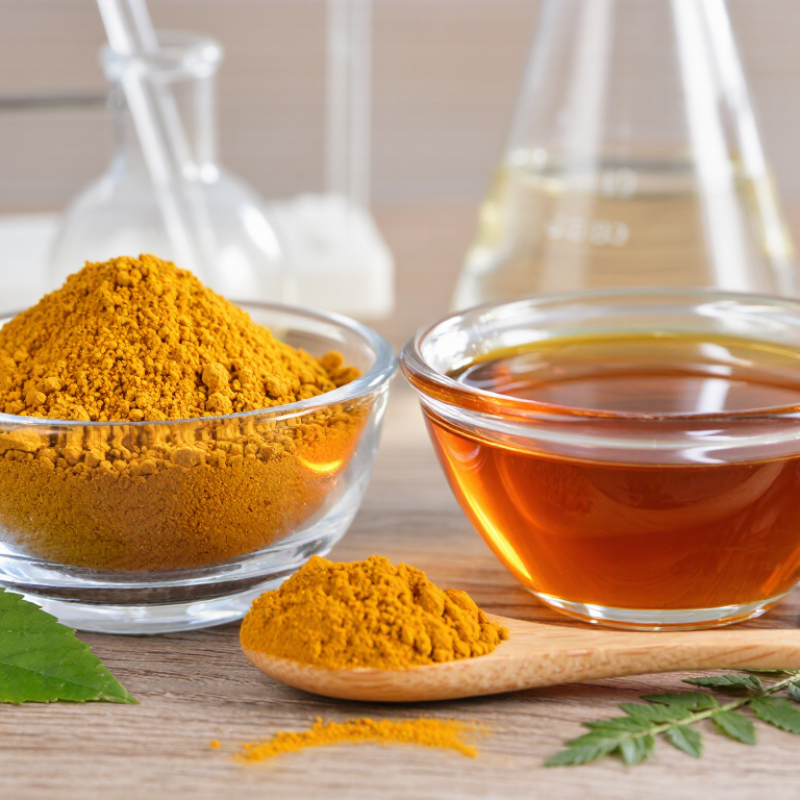
A plant powder usually comes from drying and grinding the whole herb, root, leaf, or fruit. Imagine a finely milled turmeric root in a spoon. Its natural fibers, starches, oils, and many plant compounds may remain. However, its strength can vary with harvest conditions, moisture, grinding methods, and storage.

A plant extract takes a more selective path. Manufacturers use water, alcohol, glycerin, or another suitable solvent to draw out specific compounds. The liquid may then be concentrated, dried, and standardized. A small scoop can therefore represent a larger quantity of raw plant material. That sounds better, but it is not automatically better.

Dr. Kerry Bone, a respected clinical herbalist and author, has expressed this principle plainly: “The whole plant is greater than the sum of its parts.” This view supports careful comparison rather than simple marketing claims.

Yet, that statement needs context. Some extracts improve consistency and convenience. Some powders preserve valuable constituents that extraction may reduce. Neither format guarantees purity, effectiveness, or suitability for every person.

This 2026 guide examines extraction ratios, standardization, solubility, testing, dosage, and practical use. It also considers an uncomfortable point: labels can look precise while hiding important details. A reliable product should identify the plant species, plant part, extraction method, and testing standards.

The best choice depends on the intended use. And sometimes, the honest answer is less convenient. More processing does not always mean more value.
2026 Top Plant Extract vs Powder What Is the Difference?

What Are Plant Extracts and Plant Powders?

Plant extracts and plant powders both come from plants, but they are not identical. A plant powder is usually made by drying leaves, roots, seeds, or fruits, then grinding them into a fine material. It may contain the plant’s natural fiber, starch, color, aroma, and many original compounds. Think of a dried green leaf becoming a spoonful of powder.

An extract is produced by separating selected compounds from plant material. Water, alcohol, glycerin, or another permitted solvent may be used during processing. The liquid extract can remain fluid or become a dry extract through evaporation and spray-drying. This means an extract can also look like powder. That detail often causes confusion. Extract strength may be described by a ratio, such as 5:1, or by a measured marker compound. However, a higher ratio does not automatically prove better quality. Testing methods and raw material quality matter more.

Tips: Check the plant part, extraction method, standardization details, and batch testing. Store powders in sealed, dry containers. Moisture can create clumps and weaken aroma. Extracts may offer more concentrated compounds, while powders may provide a broader, less processed plant profile. The right choice depends on the intended use, dosage format, and professional guidance. Labels are not always perfectly clear, so asking for laboratory documentation is sensible. Even experienced buyers can misread an extract ratio.

How Plant Extracts and Powders Are Produced

2026 Top Plant Extract vs Powder: What Is the Difference?

Plant extracts and powders may look similar, but their production paths differ. A powder usually begins with a cleaned plant part, such as leaves, roots, or seeds. The material is dried under controlled conditions, then milled into a fine or coarse powder. Gentle drying helps protect color, aroma, and sensitive compounds. However, heat can still change the final profile.

An extract requires another step. Manufacturers contact the plant material with water, ethanol, or another permitted food-grade solvent. This process pulls selected compounds into a liquid. The liquid is filtered, concentrated, and often spray-dried or freeze-dried. The result is a smaller, more concentrated powder. Good producers test identity, moisture, microbes, heavy metals, and active compounds. Standardization improves consistency, though it cannot make every batch identical. Plants vary with soil, weather, harvest time, and storage. That detail is sometimes overlooked.

Tips: Check whether the label says whole-plant powder or extract. Look for the plant part, extraction ratio, solvent, and testing information. A 10:1 extract does not automatically mean ten times stronger. The ratio describes raw material use, not guaranteed activity. I would also compare the color, smell, and mixing behavior. These clues help, but laboratory results matter more. A clean-looking powder can still be poorly produced.

2026 Top Plant Extract vs Powder: What Is the Difference?

How plant extracts and powders are produced

Both products generally begin with cleaned, dried plant material. Plant powder is typically produced by drying and milling the whole botanical material, while plant extract requires additional solvent or water extraction, filtration, concentration, and often a final drying step. Exact processing varies by plant species, extraction solvent, and product specification.

How Their Composition and Potency Differ

2026 Top Plant Extract vs Powder: What Is the Difference?

How Their Composition and Potency Differ

Plant powder is usually made by drying and milling the whole plant or a selected part. It may contain fiber, starches, minerals, and naturally occurring compounds. Its composition often reflects the original material more closely. However, moisture, harvest timing, storage, and particle size can change its measured strength.

An extract is produced by separating selected compounds with water, alcohol, or another permitted processing method. The liquid is then concentrated and often dried into a fine powder. This can create higher levels of targeted constituents in a smaller serving. Yet extraction may also remove compounds that support the plant’s natural balance. More concentrated does not automatically mean better.

Potency should be judged through evidence, not appearance. A darker powder is not necessarily stronger. Reliable evaluation includes botanical identification, marker-compound testing, moisture checks, and batch records. For example, two green powders can look identical while showing different active-compound levels in laboratory analysis. Standardized extracts offer clearer potency targets, but testing methods still matter. A weak assay can produce confident-looking numbers.

The comparison is not always tidy. A whole-plant powder may suit formulas seeking broader plant composition, while an extract may fit precise dosing. Neither format guarantees the same response for every person. I would also question labels that provide only a plant name without plant part, extraction ratio, or test information. Good decisions require more than a vivid color or a strong marketing claim.

Which Applications Suit Extracts or Powders?

Choosing between plant extracts and powders depends on the application, not fashion. Extracts suit products needing consistent potency, rapid dispersion, or compact dosing. They work well in capsules, beverages, skincare serums, and standardized functional formulas. A measured drop of liquid extract can blend into a drink more easily than a gritty root powder.

Powders are often better for teas, nutrition bars, dry blends, and whole-plant formulations. They retain more physical plant material, including fiber and naturally occurring compounds. However, their color, taste, and solubility can vary between harvests. A teaspoon of green leaf powder may settle at the bottom of a glass. That detail matters.

Grand View Research valued the global dietary supplements market at about USD 177.5 billion in 2023, with continued growth forecast through 2030. MarketsandMarkets also projects strong expansion in botanical extracts, driven by food, cosmetics, and supplement applications. These figures show demand, but they do not prove that extracts are always superior. Testing still matters.

Buyers should review identity testing, marker-compound levels, microbial results, heavy-metal screening, and solvent information. For powders, moisture and particle size deserve equal attention.

My practical mistake was judging a powder by appearance alone; a bright color did not guarantee stronger activity. Formulators should match the ingredient to the finished product, processing temperature, serving size, and sensory target. Sometimes the simpler powder is the more honest choice.

How to Choose Between Plant Extract and Powder

2026 Top Plant Extract vs Powder: What Is the Difference?

How to Choose Between Plant Extract and Powder

Choosing between a plant extract and powder starts with your intended use. Plant powder usually contains the whole dried material, including fiber and natural plant compounds. It often works well in smoothies, capsules, teas, and simple food formulas. Its flavor can be earthy or bitter. It may also settle at the bottom.

An extract is made by concentrating selected compounds from the plant. It can dissolve more easily and fit smaller capsules or precise formulations. However, “more concentrated” does not always mean “better.” Check the extraction method, plant part, concentration ratio, and standardization data. A reliable supplier should provide identity testing, contaminant screening, and batch information.

My first mistake was choosing an extract only because its label showed a higher ratio. That ignored taste, solubility, and daily practicality. Think about your routine. Powder may suit a kitchen spoon and regular serving. Extract may suit measured formulas or limited storage space. Review the certificate of analysis when available, and compare serving sizes rather than impressive numbers alone. When evidence is limited, choose the simpler option and reassess your results carefully. Small details matter.

FAQS

What is a plant powder?

A plant powder comes from dried leaves, roots, seeds, or fruits. It is then ground finely. It may retain fiber, starch, color, aroma, and natural plant compounds.

What is a plant extract?

An extract separates selected compounds from plant material. Water, alcohol, glycerin, or another permitted solvent may be used. The liquid can remain fluid or become a dry powder.

Can an extract and powder look the same?

Yes. A dry extract may look like ordinary plant powder. Appearance alone cannot show composition or strength. Two green powders may test very differently.

Which format is more concentrated?

Extracts often contain higher levels of targeted compounds in smaller servings. However, concentrated does not automatically mean better. The plant may lose some naturally occurring compounds during extraction.

Does a 5:1 extraction ratio prove higher quality?

No. A 5:1 ratio describes processing, not guaranteed quality. Raw material quality, testing methods, and batch records matter more. The label can still be misunderstood.

What information should buyers check?

Check the plant part, extraction method, ratio, and marker compounds. Look for moisture results and batch-testing records. A plant name alone is not enough.

How should plant powders be stored?

Keep powders in sealed, dry containers. Moisture can create hard clumps and weaken the aroma. A cool, dry cupboard is usually practical.

When might someone choose powder instead of extract?

Powder may suit formulas seeking a broader, less processed plant profile. Extract may suit precise dosing and targeted compound levels. The right choice depends on intended use and professional guidance.

Conclusion

Plant extracts and plant powders are both made from botanical materials, but they differ in concentration, texture, and typical use. A plant powder is generally produced by drying and grinding the whole plant or a specific part, so it may retain a broad range of naturally occurring components, including fiber. An extract is made by separating selected compounds from the plant with a suitable extraction process and then concentrating them, often resulting in a more consistent and potent ingredient. Understanding what is the difference between plant extract and powder helps users choose the right form for their needs.

Powders are often suitable for foods, beverages, capsules, and applications where the natural plant profile and bulk are important. Extracts may be preferred when stronger activity, easier blending, smaller serving sizes, or standardized composition is required. The best choice depends on the plant material, intended application, desired potency, solubility, processing method, quality specifications, and budget. Careful evaluation of testing data and product requirements can support a practical and informed decision.

Mason

Mason

Mason is a seasoned marketing professional with a deep expertise in the company's offerings and a passion for driving brand awareness. With a strong background in digital marketing strategies, he has an innate ability to connect with diverse audiences and effectively communicate product benefits.......