Enzyme preparations can lose activity quietly, long before visible changes appear. A clear solution may already perform poorly in a sensitive assay. This makes storage a practical quality-control issue, not a minor laboratory detail. The question is how to store enzyme preparations to maintain activity under real working conditions. Temperature, moisture, light, oxygen, and repeated handling can all influence stability. Powdered enzymes often need dry, sealed storage, while liquid formulations may require refrigeration or freezing. The manufacturer’s specification should guide every decision.
In routine laboratory work, small habits often protect valuable enzyme stocks. Record the arrival condition, lot number, opening date, and storage temperature. Use clean, dry tools, and avoid leaving containers beside warm instruments or bright windows. Aliquoting can reduce freeze-thaw cycles, although unsuitable tubes may introduce new problems. Some preparations tolerate freezing; others become unstable or separate after thawing. A refrigerator is not automatically safe.
Check the label.
Reliable storage also requires verification. Compare activity against a reference control after unusual warming, transport delays, or repeated use. Keep a temperature log when the enzyme supports important testing or production. Published guidance and supplier data provide a strong foundation, but local validation remains valuable because equipment and handling patterns differ. I have found that simple procedures are easier to follow, yet oversimplifying them can hide critical exceptions. Good storage is therefore a balance between documented evidence, careful observation, and honest review of what happens in the laboratory.
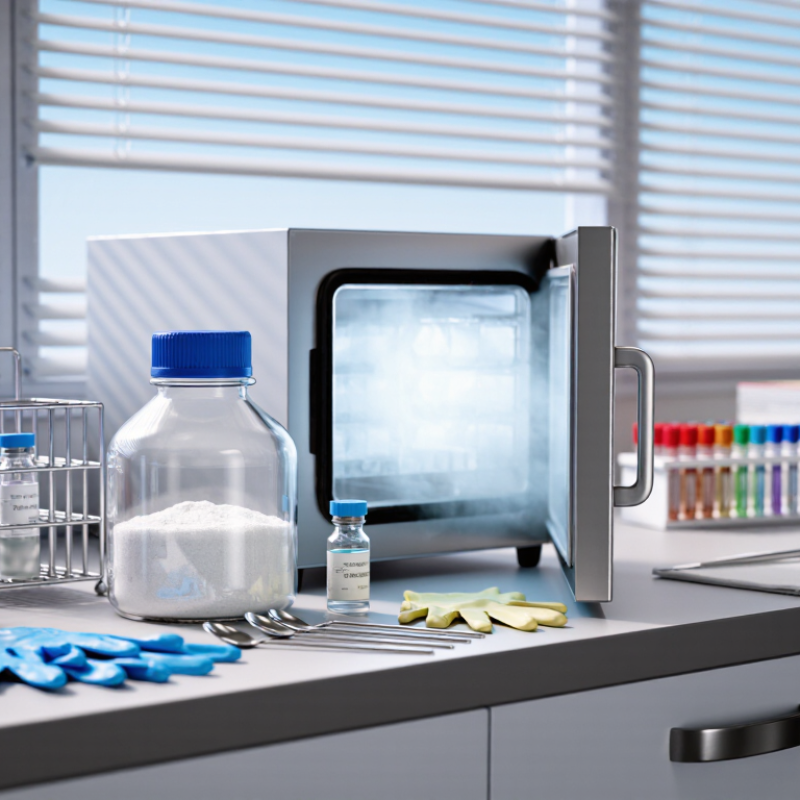
Enzyme preparations are not stored in one universal way. Liquid concentrates often need refrigeration, while some solutions require freezing. Check the validated temperature range before opening the container. Use small aliquots when possible. Repeated thawing damages activity. Keep them away from direct light and sudden temperature changes.
Lyophilized enzymes usually remain stable at room temperature when sealed, dry, and protected from light. An opened vial can absorb moisture quickly. Close it immediately after removing the required amount. Reconstitute it with the specified buffer or purified water. Mix gently; vigorous shaking may create foam and stress sensitive proteins. Record the opening date and preparation conditions.
Powders and granules need special attention to humidity. Desiccants help, but they are not a complete solution. Granulated products may tolerate handling better than fine powders, yet their activity can still decline after moisture exposure. Immobilized enzyme preparations often require buffered storage and protection from microbial contamination. Some must remain wet, while others are stored dry. Do not assume similar-looking materials have identical requirements. In routine work, storage records are often incomplete, which makes troubleshooting difficult. A simple temperature log and periodic activity check can reveal problems early. Storage plans are useful, but real containers still need observation.
How to Store Enzyme Preparations to Maintain Activity?
Factors That Reduce Enzyme Activity During Storage
Enzyme activity can decline long before a visible change appears. In routine laboratory handling, repeated temperature changes are a common cause. Removing a container from cold storage, leaving it on the bench, and returning it repeatedly can stress sensitive proteins. Freeze-thaw cycles may also damage enzyme structure, especially in diluted preparations. Small portions are safer than one frequently opened container.
Moisture, light, oxygen, and contamination can further reduce performance. A loose cap may allow humidity to enter powders, causing clumping and gradual loss of activity. Strong light can affect some enzymes, while air exposure may promote oxidation. Dirty pipettes can introduce microorganisms or chemicals that interfere with the preparation. I have sometimes focused too much on storage temperature and overlooked handling time. That mistake is worth reviewing.
Tips: Follow the validated storage range on the technical documentation. Keep containers tightly closed and clearly dated. Use clean, dry tools, and avoid placing open containers near heat or direct light. Record every removal from cold storage. If activity matters, compare a stored sample with a fresh reference using the same assay conditions. Check pH, concentration, and incubation time carefully, because poor assay control can look like enzyme failure. Small details matter.
| Storage Factor | How It Reduces Enzyme Activity | Relative Risk | Recommended Storage Practice | Practical Monitoring |
|---|---|---|---|---|
| Temperature | Higher temperatures generally accelerate protein unfolding, aggregation, chemical degradation, and loss of catalytic activity. | High | Follow the preparation’s validated storage specification. Refrigerated or frozen storage is commonly used when supported by stability data. Avoid repeated exposure to room temperature. | Record refrigerator or freezer temperatures continuously when possible, and investigate excursions before use. |
| Freeze–Thaw Cycles | Ice formation can concentrate salts and proteins, alter pH locally, and promote aggregation or structural damage during thawing. | High | Divide material into single-use aliquots before freezing. Thaw only the amount required and avoid refreezing unless validated. | Track the number of freeze–thaw events for each aliquot and inspect for haze, precipitate, or viscosity changes. |
| Moisture and Humidity | Moisture can activate hydrolytic reactions, cause clumping in powders, and reduce the physical stability of dried formulations. | Medium–High | Keep powdered preparations tightly sealed and protect them from humid air. Use a suitable moisture barrier and allow cold containers to reach room temperature before opening. | Check for caking, clumping, altered flowability, or visible condensation. |
| Light Exposure | Ultraviolet and strong visible light may promote photo-oxidation of sensitive amino acids, cofactors, or formulation components. | Medium | Store in the original light-protective container or an opaque secondary container, especially for light-sensitive preparations. | Note changes in color or clarity and compare activity with a retained reference sample. |
| pH Drift | Changes in pH can alter enzyme charge, active-site structure, substrate binding, and overall protein conformation. | High | Use an appropriate buffer system and avoid prolonged storage after dilution unless the diluted preparation has been specifically validated. | Measure pH when applicable, particularly after dilution, buffer exchange, or visible formulation changes. |
| Oxidation | Oxygen, reactive oxygen species, and trace metals can chemically modify susceptible amino acids and reduce catalytic performance. | Medium–High | Minimize headspace when appropriate, use compatible antioxidant or chelating strategies only when validated, and prevent contact with reactive contaminants. | Monitor activity loss over time and investigate unusual color, odor, or formulation changes. |
| Proteolytic Contamination | Proteases introduced during handling or from biological contamination can cleave the enzyme and permanently reduce its activity. | High | Use clean tools, avoid repeated vial entry, minimize open-container time, and apply validated preservatives or protease inhibitors when suitable. | Use aseptic handling and compare molecular integrity or activity against an uncontaminated control when necessary. |
| Microbial Growth | Microorganisms can consume stabilizing components, change pH, release proteases, and introduce other enzymes that interfere with performance. | High | Maintain hygienic handling, use sterile containers where appropriate, and follow validated preservative and storage requirements. | Check for turbidity, gas formation, sediment, unexpected odor, or pH changes. Do not use visibly contaminated material. |
| Container Headspace and Evaporation | Evaporation can increase protein and salt concentrations, while excessive headspace can increase exposure to oxygen and moisture exchange. | Medium | Use well-sealed, compatible containers and avoid storing very small volumes in oversized containers for long periods. | Check fill volume, concentration, seal integrity, and signs of evaporation or leakage. |
| Mechanical Agitation | Repeated shaking, vigorous mixing, or excessive foaming can promote air–liquid interface damage and aggregation in some formulations. | Medium | Transport containers securely and mix gently only when required. Avoid vortexing unless the preparation is known to tolerate it. | Inspect for persistent foam, particles, haze, or changes in viscosity after handling. |
| Incompatible Materials | Some plastics, metals, detergents, solvents, or residual cleaning agents can adsorb, denature, inhibit, or chemically modify enzymes. | Medium–High | Use container and closure materials demonstrated to be compatible, and prevent contact with unvalidated chemicals or residues. | Review material compatibility and perform an activity comparison after transferring to a new container. |
| General guidance: Actual stability depends on enzyme source, formulation, concentration, buffer composition, cofactors, preservatives, container type, and validated shelf-life data. Always prioritize the specific preparation’s storage instructions and confirm performance with an appropriate activity assay after significant storage excursions. | ||||
How to Store Enzyme Preparations to Maintain Activity?
Read the product label and technical sheet before moving an enzyme preparation. Storage conditions differ between powders, liquids, and buffered solutions. Record the lot number, opening date, and recommended temperature in a laboratory log. My practical rule is simple: never guess the temperature.
For liquid preparations, use clean, dry, tightly closed containers. Divide large volumes into small aliquots before regular use. This limits air exposure and repeated freeze-thaw cycles. Keep each aliquot at the specified temperature, away from direct light and heat sources. Do not freeze a liquid enzyme unless the instructions permit it. Condensation can dilute the preparation. Handle thawed samples gently, preferably on ice, and mix by slow inversion rather than vigorous vortexing.
Powdered enzymes need protection from moisture. Open the container briefly, close it firmly, and return it to controlled storage immediately. Let a cold container reach room temperature before opening it. This reduces condensation inside the container. I once ignored this detail, and the powder began forming small clumps. The material was still usable, but its performance became less consistent. Check activity with a suitable assay after storage changes, not only by appearance. Keep a temperature log and investigate any unexplained activity loss. Even careful storage has limits.eriwa
Residual activity after four weeks generally remains highest under frozen or refrigerated conditions. Keep preparations tightly sealed, protect them from moisture and repeated freeze–thaw cycles, and follow the product-specific storage instructions.
Representative stability profile showing residual activity as a percentage of the initial activity. Actual results vary with enzyme type, formulation, packaging, and handling conditions.
Packaging and labeling strongly influence enzyme stability, even before refrigeration begins. Choose containers that resist moisture, oxygen, and chemical interaction. Amber glass or qualified polymer vials can reduce light exposure. Use tight, compatible closures. A loose cap can quietly damage a valuable preparation.
Divide liquid enzymes into small, single-use aliquots. This limits repeated warming and freeze-thaw cycles. Keep headspace low when oxidation is a concern. For dry powders, include an effective moisture barrier and a suitable desiccant. Do not assume every enzyme should be frozen. Storage temperature must follow validated stability data, because some formulations lose activity after freezing.
Labels should remain readable in cold, humid conditions. Record the enzyme name, lot number, activity, concentration, buffer, pH, preparation date, storage temperature, and retest or expiry date. Add a clear “do not refreeze” instruction when appropriate. A simple color code may help, but it should never replace written information. In routine laboratory work, missing units or unclear dates create avoidable mistakes. It happens more often than expected. Check labels during every stock review. Also record opening dates for frequently used containers. This detail can reveal gradual activity loss that a final assay might otherwise miss. Occasionally, a label becomes crowded, and critical information is shortened. That choice needs reconsideration. Clear wording is part of quality control, not decoration.
Enzyme activity can decline even when a storage room feels comfortable. Monitor temperature, humidity, light exposure, and container condition at defined intervals. Use a calibrated data logger near the preparation, not only a wall display. Record readings during receiving, opening, and daily storage. Sudden temperature spikes often reveal door-opening patterns or equipment problems.
Tips: Set clear limits for each preparation. Check labels, seals, and appearance before use. Keep a small control sample for comparison. Avoid repeated freeze-thaw cycles, and document every removal from cold storage. A simple log with date, time, operator, and reading improves traceability. Keep it practical.
Storage data alone cannot prove enzyme quality. Test activity at release and at scheduled intervals using a validated assay, suitable controls, and consistent sample handling. Compare results with the approved baseline, not memory. A gradual decline may indicate age, moisture, contamination, or an unsuitable buffer. Investigate unusual results before changing storage conditions. In routine work, I have found that incomplete records create more uncertainty than one isolated low result. No log is perfect. Review trends monthly, and revise the monitoring plan when evidence shows a gap. Calibration dates should be checked, too.
Follow the validated temperature range before opening. Many liquid concentrates need refrigeration, while some solutions require freezing. Use small aliquots to reduce repeated warming. Keep containers away from direct light and sudden temperature changes.
Repeated freezing and thawing can damage sensitive protein structures. Diluted preparations are especially vulnerable. Store single-use portions when possible. Small portions are safer.
Sealed lyophilized enzymes often remain stable at room temperature. Keep them dry and protected from light. Opened vials can absorb moisture quickly. Close the vial immediately after removing material.
Use the specified buffer or purified water. Mix gently to limit foam and protein stress. Record the opening date and preparation conditions. Vigorous shaking is usually unhelpful.
Humidity can cause clumping and gradual activity loss. Use a moisture barrier and suitable desiccant. Desiccants help, but they are not complete protection. Granules may tolerate handling better than fine powders.
Requirements vary by formulation. Some must remain wet in a buffered solution. Others require dry storage and moisture protection. Similar-looking materials may have different needs, so check validated instructions.
Record the preparation name, lot number, activity, concentration, buffer, pH, and storage temperature. Include preparation, opening, retest, or expiry dates. Labels must remain readable in cold, humid conditions. Missing units create avoidable errors.
Keep a temperature log and perform periodic activity checks. Compare a stored sample with a fresh reference under identical assay conditions. Check pH, concentration, and incubation time carefully. Poor assay control can look like enzyme failure.
Use clean, dry tools and tightly closed containers. Limit air exposure when oxidation is a concern. Keep open containers away from heat and direct light. Dirty pipettes can introduce microorganisms or interfering chemicals.
People often focus only on temperature and overlook handling time. Repeated bench exposure can stress sensitive preparations. Unclear dates also weaken troubleshooting. It happens more often than expected.
Proper storage is essential to preserve enzyme activity and extend shelf life. Different enzyme preparations, including liquids, powders, and immobilized forms, may require different temperatures, humidity levels, and protection from light. The key to how to store enzyme preparations to maintain activity is to follow the specified conditions, avoid repeated temperature changes, and protect the material from moisture, oxygen, contamination, and prolonged exposure to heat or light. Factors such as pH shifts, improper dilution, container leakage, and repeated freeze-thaw cycles can also reduce performance.
Effective storage begins with selecting a suitable container, sealing it securely, and labeling it with the enzyme name, concentration, preparation date, storage temperature, and expiration or review date. Storage areas should be monitored with calibrated thermometers or data loggers, while humidity and light exposure should be controlled when necessary. Regular checks of appearance, solubility, and functional activity can help identify degradation early. Keeping accurate records and using a consistent handling procedure ensures reliable enzyme performance over time.

Aeterna Biotech