Why do plant enzymes require specific pH levels? This question matters wherever plants are grown, processed, or studied. Enzymes control photosynthesis, respiration, seed germination, and natural defense reactions. Each enzyme folds into a precise three-dimensional shape. That shape determines how it recognizes molecules and performs its task.
Small pH changes can alter electrical charges around an enzyme’s active site. A leaf enzyme may work efficiently near neutral conditions, while a vacuolar enzyme may prefer a more acidic environment. Outside its suitable range, the enzyme can slow down, lose its shape, or stop working. It is not always dramatic. Sometimes, activity declines quietly before visible plant damage appears. As biochemist David L. Nelson explains, “Enzymes are biological catalysts that increase the rates of reactions without being consumed.” This principle helps explain why pH is not a minor laboratory detail.
This guide explores why do plant enzymes require specific pH levels through five practical tips. It connects enzyme structure, cellular location, temperature, water quality, and testing methods. A pH meter, fresh buffer solution, and carefully labeled samples can reveal differences that eyesight misses. However, one limitation deserves attention: ideal pH values vary among plant species, tissues, and enzyme preparations. Published ranges are useful, but they should not replace direct testing. Even experienced growers can misread a weak reaction as an enzyme failure. The real cause may be temperature, salt concentration, contamination, or an aging sample. Understanding these variables creates more reliable conclusions and better plant-management decisions.
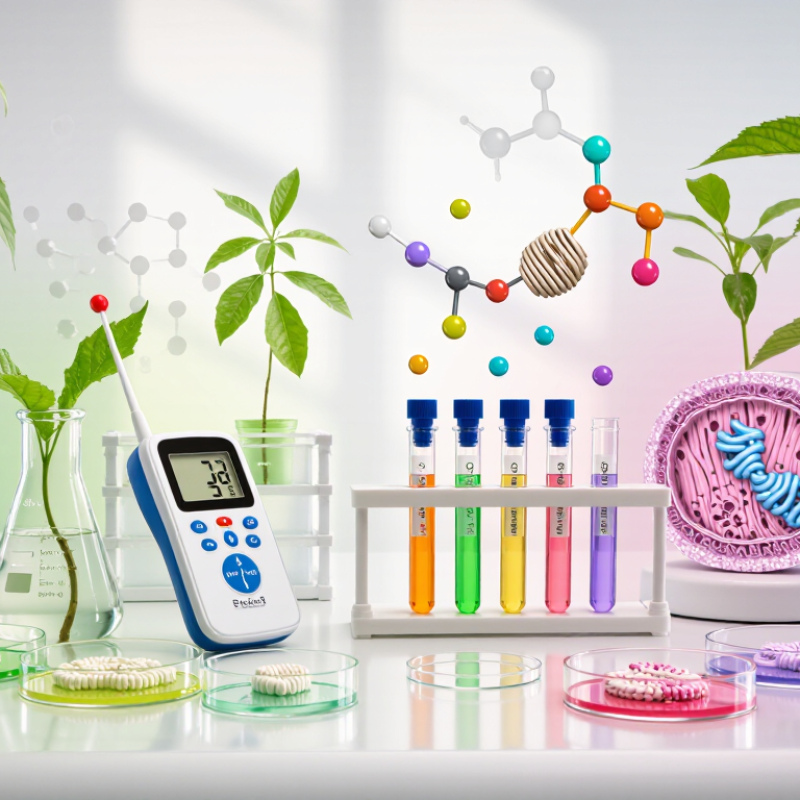
Plant enzymes are natural proteins that speed up essential reactions. They help seeds germinate, leaves capture carbon, and roots absorb nutrients. Amylase releases sugars from stored starch during germination. Rubisco fixes carbon during photosynthesis, although it is slower and less efficient than many people expect. Nature is powerful, but not perfect.
pH controls an enzyme’s shape and electrical charge. Most cytosolic plant enzymes work near pH 6 to 8. Vacuolar enzymes often prefer more acidic conditions. Research on chloroplasts shows that light can raise stromal pH from roughly 7 to 8, supporting carbon fixation (Plant Physiology, 2020). The FAO also identifies soil acidity and nutrient imbalance as major constraints on crop productivity (FAO, 2022). These findings explain why one pH setting cannot suit every plant tissue.
Five practical checks help. Measure root-zone pH, not only irrigation water. Test at different times. Avoid sudden corrections. Compare leaf color with growth rate. Record results before changing nutrients.
Soil near pH 6.0–7.0 often supports broad nutrient availability, according to USDA NRCS soil guidance. Still, that range is not a universal rule. Some plants prefer acidic soil, while enzyme activity may shift inside each cell. I have seen growers trust a single meter reading too quickly. That mistake is easy to repeat. Reliable interpretation needs clean sampling, calibrated equipment, and patience.
Plant enzymes do not work at one universal pH. Their shape depends on tiny electrical charges across amino acids. When pH shifts, those charges change. Salt bridges may weaken, and the active site can bend slightly. A useful example is a fruit enzyme tested in a simple laboratory experiment. It may digest protein well near its preferred pH, then slow sharply after a small adjustment. The liquid may look unchanged. The enzyme is not.
Five practical checks help explain the change.
In plant tissues, natural acids, minerals, and water content can shift the result. A buffer controls pH, but it is not completely neutral. It can affect enzyme stability itself. This detail is easy to overlook.
At an extreme pH, altered charges can unfold an enzyme and expose fragile inner regions. Some damage reverses when conditions return. Some does not. That distinction matters in food processing, seed studies, and plant physiology. Reliable conclusions need repeated trials and controls without enzyme. I would also question a neat graph with one perfect peak. Real plant extracts contain many enzymes, so overlapping activity can hide the true pH optimum. A broader test often reveals a messier, more useful picture.
Why Do Plant Enzymes Require Specific pH Levels? 5 Tips
Each plant enzyme has a preferred pH range because its active site depends on precise electrical charges. Small pH changes can alter those charges and weaken substrate binding. A 2023 review in Frontiers in Plant Science reports that many plant hydrolases perform best between pH 4.5 and 6.5. This range often matches mildly acidic plant tissues. Not every enzyme follows it.
Pectinases commonly work near pH 4.5–5.5, helping soften fruit cell walls. Amylases often show stronger activity around pH 5.5–7.0. Proteases may prefer wider ranges, depending on their cellular location. The International Union of Biochemistry and Molecular Biology notes that enzyme activity depends on catalytic groups maintaining suitable ionization states. That detail matters in practical testing. Measure pH directly. Do not trust color alone. Change one variable at a time. Temperature can disguise a pH problem.
Five useful checks are simple. Test the enzyme’s stated operating range. Use a calibrated pH meter. Keep samples at the same temperature. Record activity at three nearby pH values. Repeat the test with fresh plant material. A 2022 technical report from the Association of Official Analytical Chemists emphasizes controlled conditions for reliable enzyme measurements. My own caution is less tidy: natural extracts can contain several enzymes, so one “best” pH may be misleading. A blended sample may need compromise. That compromise can reduce performance, even when the reading looks correct.
| Tip | Plant Enzyme | Main Function | Typical Best-Activity pH Range | Why This pH Matters | Practical Application |
|---|---|---|---|---|---|
| 1 | Plant Amylase | Breaks starch into smaller sugars during seed germination and fruit ripening. | pH 5.5–6.5 | Its active site maintains the correct shape in mildly acidic conditions, allowing efficient starch binding and hydrolysis. | Keep germination or plant-extract solutions mildly acidic to support starch conversion. |
| 2 | Papain | Hydrolyzes proteins into peptides and amino acids. | pH 5.0–7.0 | Papain is a cysteine protease, and its catalytic groups work effectively when their electrical charges are properly balanced. | Use a mildly acidic to near-neutral environment when testing protein breakdown in plant extracts. |
| 3 | Bromelain | Breaks down proteins and contributes to protein turnover in pineapple tissues. | pH 6.0–7.0 | Outside this range, changes in charge and protein structure can reduce substrate binding and catalytic efficiency. | Avoid strongly acidic or strongly alkaline conditions when preserving bromelain activity. |
| 4 | Pectinase | Degrades pectin in plant cell walls, helping soften fruit tissue. | pH 4.0–5.5 | Many plant-associated pectin-degrading enzymes are most active in acidic fruit-tissue conditions, where pectin becomes more accessible. | Maintain an acidic environment when studying fruit softening or plant-cell-wall breakdown. |
| 5 | Polyphenol Oxidase | Oxidizes phenolic compounds and causes browning after plant tissue is cut or damaged. | pH 5.0–7.0 | The enzyme’s activity depends on the correct ionization state of its active site and the availability of oxygen and phenolic substrates. | To slow browning, lower the pH with food-safe acidic ingredients and reduce exposure to oxygen. |
Note: The pH ranges shown are general working ranges reported for representative plant enzymes. The exact optimum can vary with plant species, tissue type, temperature, enzyme concentration, substrate, and extraction method.
Why Do Plant Enzymes Require Specific pH Levels 5 Tips?
Five Key Effects of Improper pH on Plant Enzyme Activity
Plant enzymes work within narrow chemical conditions. The wrong pH changes their electrical charge and weakens their active sites. A one-unit pH shift means a tenfold change in hydrogen-ion concentration. That is substantial. Reviews in Plant Physiology and Biochemistry commonly place many cytosolic enzymes near pH 6–8, while vacuolar enzymes often prefer more acidic conditions. These ranges are not universal.
Improper pH can create five measurable effects. One, enzyme shape may distort, reducing catalytic speed. Two, substrates may bind poorly because charge patterns change. Three, essential cofactors, including metal ions, may become unavailable. Four, membrane transport can slow, limiting sugars and minerals near root cells. Five, prolonged imbalance can increase oxidative stress and suppress growth. A 2022 review in Plants links pH disruption with reduced nutrient-use efficiency and altered antioxidant activity in crops. Small shifts matter.
In practice, leaves with pale veins, weak expansion, or uneven flowering may reflect biochemical stress, not only fertilizer shortage. Yet visual diagnosis is imperfect. Soil pH and tissue pH are different measurements. Moisture, temperature, and cultivar also alter enzyme performance. The International Society for Horticultural Science recommends interpreting pH readings alongside substrate tests and plant tissue analysis. A handheld meter can mislead. Test several root-zone points, calibrate the probe, and record pH changes over time. Five minutes of data collection may reveal more than one dramatic reading.
Plant enzymes are most active within narrow pH ranges. Moving away from the optimum can alter enzyme shape, reduce substrate binding, and eventually cause irreversible denaturation.
Plant enzymes require specific pH levels because their shapes control how they work. A small pH shift can change an enzyme’s active site. Then, even enough water and nutrients may not support normal reactions. Plants manage this delicate balance inside different cells and compartments.
One important control is the vacuole, which stores acidic fluid and helps separate reactions. Root cells also release organic acids into nearby soil, changing nutrient availability. Buffers in the cytoplasm resist sudden pH changes, while membrane proteins move hydrogen ions across cell walls. In chloroplasts, light-driven proton movement helps create conditions for photosynthesis.
These are five practical controls:
compartmentalization
acid release
buffering
ion transport
light-linked proton movement
Plant tissues can adjust quickly, but the system is not flawless. During drought, crowded cells may lose chemical balance. Excess fertilizer can also disturb soil pH around roots. In a greenhouse, pale leaves may suggest nutrient stress, yet pH alone cannot confirm the cause. Testing soil and plant tissue gives more reliable evidence than guessing from color. Careful observation matters. Enzymes respond to small changes that people cannot see, and a simple watering mistake may influence several reactions at once. Research supports these mechanisms, but real plants often respond differently under changing temperature, salt levels, and light.
Plant enzymes are natural proteins that speed up essential chemical reactions. They support germination, photosynthesis, nutrient absorption, and growth. They are active, not magical.
Amylase breaks stored starch into sugars. The developing seed uses these sugars for energy and early growth. Without enough usable sugar, emergence may slow.
Rubisco helps fix carbon during photosynthesis. It is essential, but slower and less efficient than many people expect. Nature has limits.
pH changes an enzyme’s shape and electrical charge. This can weaken its active site and reduce reaction speed. A one-unit shift changes hydrogen-ion concentration tenfold.
Enzymes may bind substrates poorly. Cofactors, including metal ions, may become less available. Root transport can slow, while oxidative stress may increase.
No. This range often supports broad nutrient availability. Some plants prefer acidic soil, and different cell compartments require different conditions.
Measure the root zone, not only irrigation water. Test several points and different times. Calibrate the meter and record every reading.
No. Pale veins, weak expansion, and uneven flowering may indicate biochemical stress. However, moisture, temperature, cultivar, and nutrients can create similar symptoms.
Avoid sudden corrections. Compare pH readings with growth, leaf color, substrate tests, and tissue analysis. I might overtrust one meter reading, too.
Use clean samples and calibrated equipment. Track changes over time instead of reacting to one dramatic result. Five quiet minutes of records can prevent poor decisions.
Plant enzymes are specialized proteins that support essential processes such as photosynthesis, nutrient absorption, growth, defense, and the breakdown of stored compounds. Their activity depends strongly on pH because acidity or alkalinity can change an enzyme’s shape, electrical charges, and ability to interact with target molecules. This explains why do plant enzymes require specific pH levels: each enzyme has a structure that functions most effectively within a particular pH range.
When pH moves outside that range, enzyme activity may slow, become inefficient, or stop completely. Improper pH can also weaken nutrient conversion, disrupt metabolism, reduce growth, increase stress, and damage enzyme structure in severe conditions. Plants help maintain suitable internal pH through buffering systems, controlled movement of ions, compartmentalized cell spaces, and chemical adjustments in roots and tissues. Together, these mechanisms create stable conditions that allow different enzymes to perform their roles efficiently and support healthy plant life.
Aeterna Biotech